In February, the area mapping process has been carried out, the area mapping covers the general condition of the Arjasari area, around 70% of the land is moorland and 15% is rice paddy land. Most (60.81%) of the livelihoods of the people in Arjasari District are farmers. The target community group is farmers cultivating the land of SLPP Arjasari which is one of the areas under the authority of UNPAD. Therefore, the farmer empowerment program in the form of training in post-harvest corn processing is an alternative in optimizing post-harvest management. The training includes post-harvest corn handling training to avoid damage to production products, improve production quality, and increase selling value, training on processing corn into processed products can increase the selling value and competitiveness of corn products, and the use of corn processing technology in increasing the value of corn commodities and can be processed into various processed products.
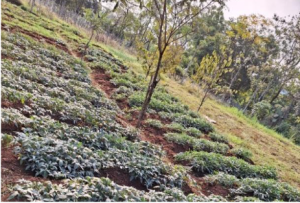
One form of socialization activity is demonstration plots. The creation of this demonstration plot was carried out to socialize the cultivation technique of superior varieties of corn with balanced fertilization. The implementation of the demonstration plot was carried out after entering the rainy season (end of November 2023). The tillage techniques applied in the demonstration plot are minimum and maximum tillage. The next training program will be focused on improving the quality of fostered human resources, as well as a sustainable corn bioindustry intensification program.