
The Faculty of Agriculture and the Faculty of Medicine, Universitas Padjadjaran, in collaboration with several research partners, have initiated an 3 years project that aims to develop an anti-cancer active ingredient based on the morel berry plant (Physalis angulata). This plant has long been known in traditional medicine and is now the focus of scientific research to explore its potential in cancer treatment.
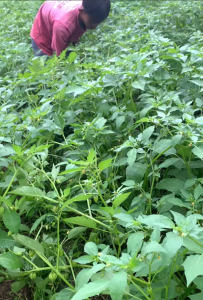
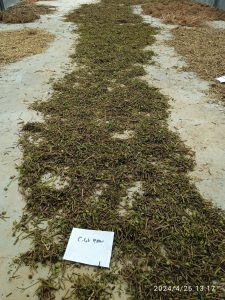
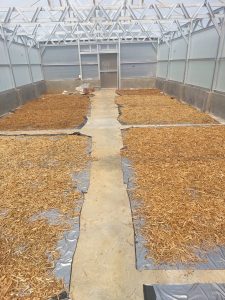
In this project, the Faculty of Agriculture plays a role in the cultivation and agronomic development of the morel berry plant. The research team at this faculty focuses on optimal cultivation techniques to increase the content of active compounds in chips, as well as ensure the availability of sustainable and high-quality raw materials.
On the other hand, the Faculty of Medicine is responsible for identifying and testing active compounds from the extract of the Citrus plant which has the potential to be an anti-cancer agent. This study involves laboratory and preclinical tests to evaluate the effectiveness and safety of the compound.
Research partners from the pharmaceutical industry and other research institutions also play a role in accelerating the product development and commercialization process. The technological support and resources they provide are expected to accelerate the transformation of research results into products that are ready to be used in medicine.
This collaboration is an important step in efforts to find more natural and affordable alternative cancer treatments, while increasing the added value of potential local plants. With synergy between various disciplines and strong partner support, this research is expected to be able to make a real contribution to the world of health, especially in the fight against cancer.