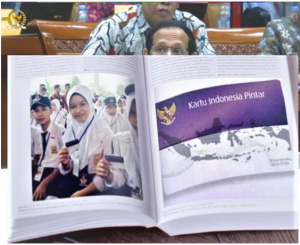
The KIP Lecture Scholarship is one of the scholarships with the highest number of students among other scholarships at the Faculty of Agriculture UNPAD. There are at least 78 students who received scholarships from the Ministry of Education and Culture, the KIP Lecture scholarship is focused on students who are classified as underprivileged with the aim of being able to continue their education in higher education. This scholarship covers living expenses and education fees for D4/S1 students, the validity period of the scholarship is 4 years or 8 semesters.
The KIP Lecture Scholarship is focused on children of the country who want to continue their education but are hindered by cost constraints. This scholarship is a reform initiated by President Jokowidodo, formerly known as Bidikmisi. This scholarship program is expected to provide quality education and reduce poverty levels in accordance with SDGs 1 and 4 points.
The Faculty of Agriculture has great hopes that the existence of educational assistance and living expenses for students who are accepted with the KIP Lecture scholarship can increase the enthusiasm of the students concerned. The flow of disbursement of education funds will be carried out directly from the Ministry of Education and Culture to UNPAD, while the disbursement of living expenses will be given by the Ministry of Education and Culture directly to the students concerned.