I Thought I Had A Choice
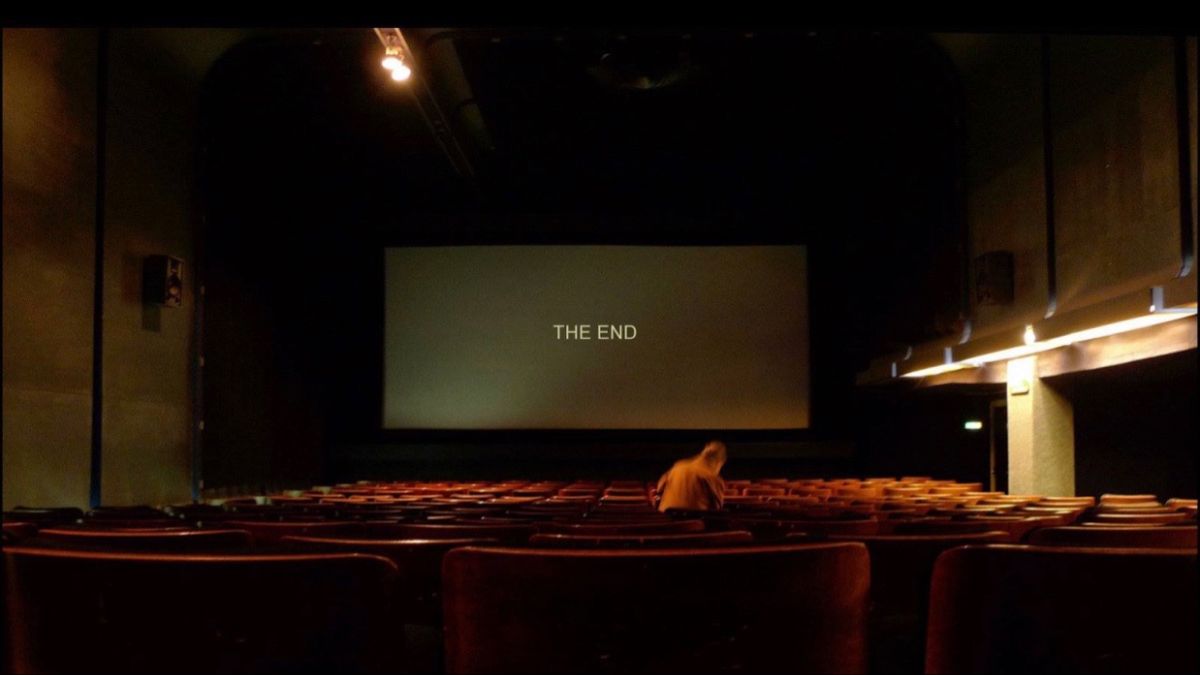
Thursday, 9th April 2026, 17.50 PM. I sat in Row E, seat 16, as the sound thundered through the theater and wrapped the room in a heavy intense atmosphere, drawing my attention to the emotions and conflicts the movie Project Hail Mary presented on the screen. Among those moments, one scene lingered in my mind, where the main character, Ryland Grace, realizes he has no choice but to go on a dangerous space mission. They did not have his consent, and he was forced to join the mission through pressure, fear, and manipulation. The “situation” does not force him in an obvious way, yet every option slowly disappears until only one path remains. When I watched that scene, I began to question myself and reflect on how power can shape decisions in ways we often do not question. Sometimes, when power is involved, choice becomes an illusion. People may appear to have options, but in reality, the decision has already been made for them.
Since I was a child, my parents taught me that success is the result of hard work, discipline, and determination. However, reality often tells a different story. Not everyone begins from the same starting point, and not everyone is given the same opportunities to succeed. Power, whether it comes from financial stability, social status, or connections, plays a significant role in shaping how the world sees us. Some people have access to privileges that we may never experience, along with stronger support systems and greater opportunities, while others must struggle to keep up with the privileged ones. Today, this situation is more complex because of how normalized it has become. Inequality is rarely questioned because it is seen as part of the system, something that simply “exists”. Year by year, this acceptance makes it even harder for us to recognize how unfair it is. As a result, people begin to measure success without considering the unequal conditions behind it.
14, an age when I realized that the world was not as fair as I once believed. When I first entered a “favorite” public high school in my province, I believed that my effort would determine my success. I worked hard, followed the rules, and had a belief that the system would reward those who deserved it. However, as the days went by, I began to notice small things that destroyed my trust in them. Students whose parents were part of the school committee or had strong connections were treated differently. They were given more freedom, allowed to break rules without facing consequences, and often received special attention from teachers. In contrast, other students who were “normal” are expected to follow every rule strictly, with little room for mistakes. This difference in treatment became even more visible during the SNBP admission process. Some students who had consistently achieved strong academic performance were ranked lower than those with powerful backgrounds. At first, it was difficult for me to accept it, as it felt like my effort had lost its value. I remember feeling confused and frustrated, questioning whether all the things I did would truly matter in their eyes. My friend once told me that getting into a top university from our school not only depended on grades, but also on connections. At that moment, I realized that what I had believed to be a fair system was, in reality, shaped by power. It was not just about what you knew or how hard you worked, but also about who you were connected to. This realization changed the way I saw success, making it feel less like an achievement and more like something influenced by factors beyond my control.
In addition, inequality is not only reflected in academic opportunities. It also appears in a way that I never imagined I would experience it. As a Christian student in a predominantly Muslim school, I often felt a sense of exclusion. It was not always expressed directly, but it happened in small actions and subtle attitudes. There were moments when teachers showed a lack of respect toward non-Muslim students, which made the classroom feel less safe. One experience that stayed in my mind happened during the fasting month, when I had to eat under the table to avoid negative comments from my teachers. It may seem like a small action, but in that moment, I felt uncomfortable, as if I had to hide a part of myself just to fit in. The classroom, which should have been a safe space, felt restrictive and tense. When certain identities are treated as the norm, others are expected to adapt to it without question. As time goes by, this feeling can create a sense of invisibility, where individuals feel that their presence is less valued. In this way, power not only shapes opportunities but also shapes how people experience belonging and identity.
As I am writing this essay, a song by Bruno Major titled On Our Own is blasting through my ear. “I know the world is a beautiful space, but we are on our own”, a lyric that reminds me that even though the world seems full of possibilities, not everyone has equal access to them. In the end, these experiences have shown me that inequality is connected to power, and power often defines who we are more than we realize. Like Ryland Grace in Project Hail Mary, people can find themselves in situations where their choices no longer matter. Some people must work harder, not because they lack ability, but because the system is not designed equally for everyone. This reality can feel discouraging, but it also creates awareness. When we begin to question the systems around us, we start to realize that inequality is not something natural; it is something that has been allowed to continue over time. If the question starts to linger in our minds, it reminds us that there is still a chance for us to change the system. When power decides everything, choice may feel like an illusion, but understanding that illusion is the first step to breaking this chain.